
Temporary, Permanent or Freelance: Choosing the Right Chef for Your Business
In the fast-moving world of hospitality, having the right chef at the right time can make or break a service. At Chef Jobs UK, we regularly advise businesses across the UK on how to build resilient, effective kitchen teams. One of the key decisions hospitality operators face is whether to hire temporary, permanent or freelance chefs. Each option has advantages, limitations, and specific circumstances where it is most suitable.
Understanding these choices is vital. A poor staffing decision can lead to service breakdowns, unhappy customers, or increased costs. The right approach ensures kitchens run smoothly, teams are supported, and guests leave happy.
Permanent Chefs: Stability and Long-Term Growth
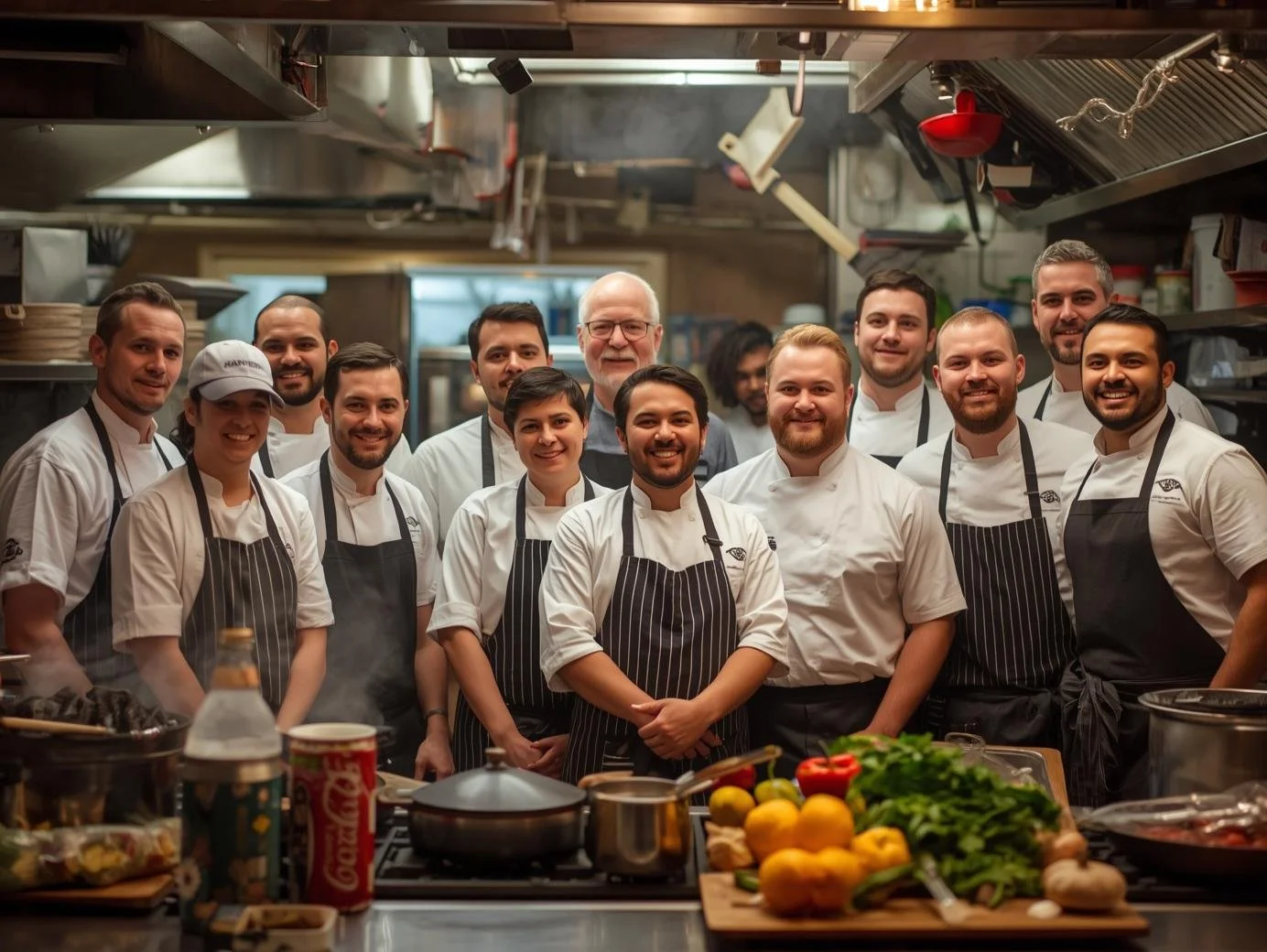
Permanent chefs are the backbone of most professional kitchens. They provide stability, consistency and help maintain the culture of your brigade. Hiring permanent chefs is ideal when you are looking for someone to grow with your business over time, take ownership of sections, and develop leadership potential.
Benefits of permanent chefs:
Consistency in service and quality
Deep understanding of your kitchen culture, menu, and systems
Ability to develop leadership pipelines
Stronger team cohesion and morale
When to hire permanent chefs:
You have a consistent volume of covers and predictable service requirements
You want to build a long-term team culture
You are planning menu development or expansion
You need chefs who can mentor juniors
Practical advice for employers:
Take time to vet candidates for cultural fit as well as technical ability
Offer clear career progression paths to retain talent
Provide structured training and mentoring for long-term engagement
Advice for chefs seeking permanent roles:
Look for kitchens that invest in development
Consider long-term goals and leadership opportunities
Ensure the working environment aligns with your personal priorities
Temporary Chefs: Flexibility for High-Pressure Periods
Temporary chefs offer flexibility when demand is unpredictable. They are ideal for covering staff absences, seasonal spikes, or special events. Temporary staffing allows businesses to respond quickly to changes without committing to permanent contracts.
Benefits of temporary chefs:
Flexibility to meet sudden demand
Cost-effective for short-term needs
Access to experienced chefs for high-pressure periods
Reduces burnout among permanent staff
When to hire temporary chefs:
Covering sickness, holidays, or maternity leave
Catering for seasonal demand or events like Valentine’s Day, Mother’s Day, or weddings
Testing a potential permanent hire before committing
Practical advice for employers:
Clearly define the scope of work and expectations for temporary chefs
Brief temporary staff thoroughly to minimise disruption
Maintain open communication to integrate them smoothly with permanent staff
Advice for chefs considering temporary work:
Temporary roles can provide valuable experience and networking opportunities
Look for reputable agencies or businesses to ensure fair treatment and reliable pay
Use temporary positions strategically to explore different cuisines, kitchens, or management styles
Freelance Chefs: Expertise on Demand
Freelance chefs are increasingly popular in the UK hospitality scene. They bring specialist skills, flexibility, and the ability to hit the ground running. Freelance chefs are ideal for high-end events, menu launches, pop-ups, and consultancy work.
Benefits of freelance chefs:
Highly experienced and specialised skill sets
Flexible engagement for short-term or project-based work
Reduces training time as they often work independently
Can add creative flair or temporary leadership to a team
When to hire freelance chefs:
Hosting high-profile events or pop-ups
Developing or refining menus without long-term commitment
Covering for senior staff on short notice
Seeking consultancy for kitchen efficiency, menu engineering or staff training
Practical advice for employers:
Clearly define roles, deliverables, and timelines
Ensure freelancers understand the kitchen culture to avoid disruption
Treat freelancers as part of the team to maximise effectiveness
Advice for freelance chefs:
Build a strong portfolio and reputation to attract repeat clients
Keep clear records of contracts, pay agreements, and responsibilities
Network actively to maintain a pipeline of opportunities
How to Decide: Matching Needs to Staffing Solutions
Choosing between temporary, permanent, or freelance chefs depends on your kitchen’s immediate needs, long-term goals, and operational capacity. Consider the following factors:
1. Volume and Consistency
If your restaurant or hotel has steady demand, permanent chefs are often the best investment. If demand fluctuates, temporary or freelance staff can offer flexibility.
2. Skill Requirements
Freelance chefs bring specialist skills for short-term needs. Temporary chefs fill gaps in experience or numbers, while permanent chefs develop deep knowledge of your kitchen’s menu and standards.
3. Budget and Costs
Permanent staff require long-term salary and benefits. Temporary and freelance chefs are more flexible but may have higher daily rates. Consider the trade-off between stability and flexibility.
4. Culture and Team Dynamics
Permanent staff help establish and maintain kitchen culture. Temporary or freelance hires should complement existing teams rather than disrupt them.
Final Advice for Employers
Plan ahead: Evaluate seasonal peaks, absences, and upcoming events
Maintain a mix: Many successful kitchens operate with a blend of permanent, temporary, and freelance staff
Invest in onboarding: Even temporary hires should understand your standards and expectations
Work with recruitment specialists: Agencies like Chef Jobs UK can match you with the right chef for your specific needs, reducing risk and saving time
Final Advice for Chefs
Understand your goals: Permanent, temporary, or freelance roles each offer different opportunities
Build experience strategically: Temporary and freelance work can open doors to permanent senior positions
Prioritise fit: Technical skill is important, but team culture and working environment are equally critical
At Chef Jobs UK, we see firsthand that having the right chef in the right role is crucial. Whether you are hiring for stability, flexibility, or specialist expertise, understanding the benefits and limitations of permanent, temporary, and freelance chefs allows businesses to build strong, resilient kitchens, and helps chefs make informed decisions about their career paths.
